
So, when does damp occur?
The energy cost reduction and warmth that External Wall Insulation creates is amazing. Still, nowadays, many homes often have appliances such as dishwashers, tumble dryers and washing machines, as well as things like showers, double-glazed windows and central heating.
While all of these make life more convenient, they can also introduce excess moisture into the air. Additionally, everyday activities like cooking dinner, drying clothes indoors, and taking a long, warm shower after a hard day can create unwanted excess moisture in the air. This excess moisture, if left unmanaged, can lead to the growth of damp and mould.
Preventing damp and mould
The best defence against damp and mould is efficient ventilation. This means that you are allowing fresh air to circulate in your home. This fresh air helps to remove moisture and instead replaces it with cleaner and drier air.
Cleaner and drier air does more than protect your home; it protects you from damp and mould-related health issues, such as compromising your respiratory system, causing potential allergic reactions and exacerbating pre-existing health conditions.
Ways to effectively ventilate your home:
Open Your Windows Daily:
Aim to open your windows for 10–30 minutes each day.
- Do this particularly after showering, cooking, or drying clothes indoors
- Opening windows on opposite sides of the house creates a cross-breeze, ensuring fresh air moves throughout your home
Use Your Extractor Fans:
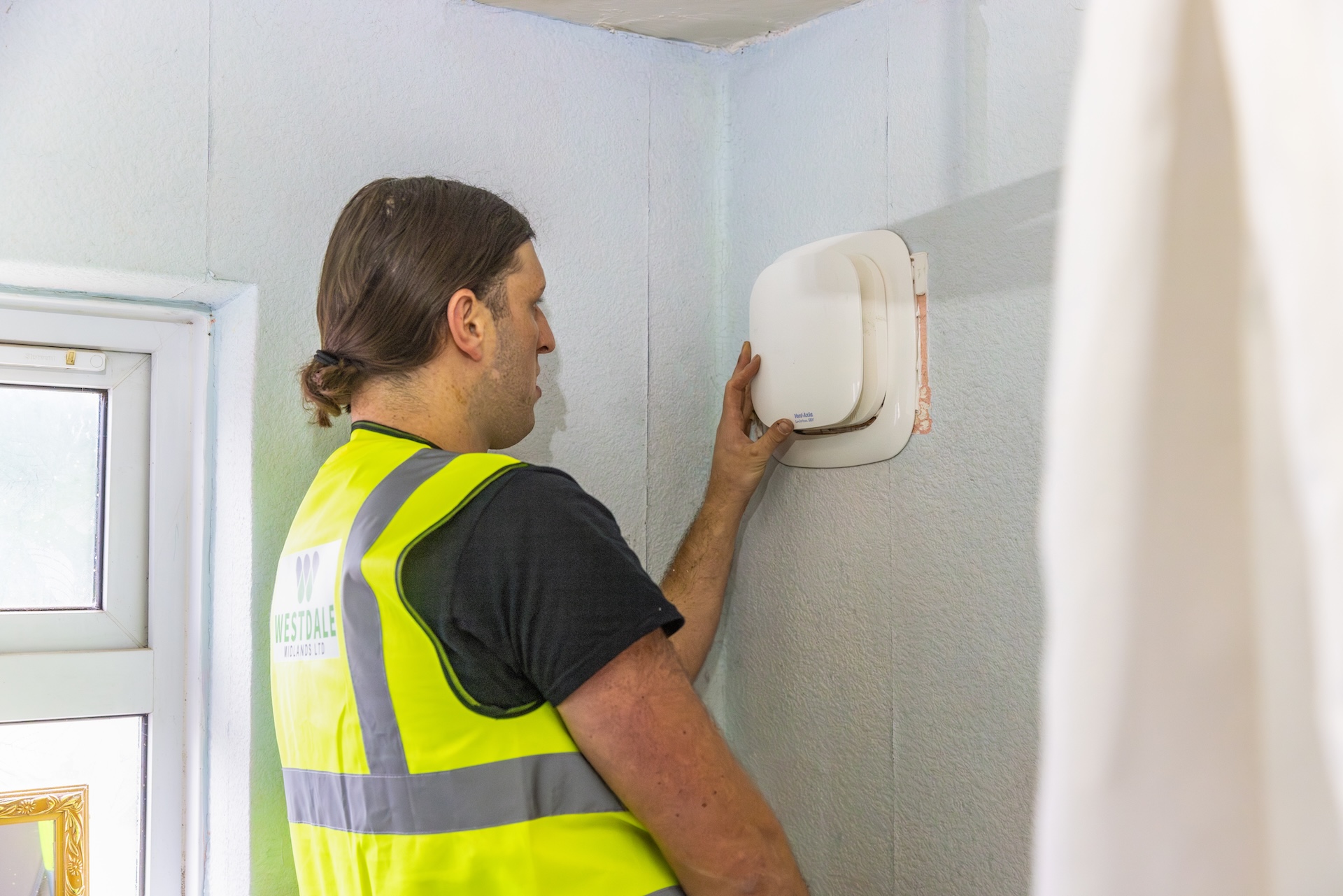
Your upgraded home now includes modern extractor fans in the kitchen and bathroom. Use them in times such as:
- After a bath or shower, to remove steam
- While cooking, this prevents condensation and lingering food smells
- When using your washing machine, tumble dryer, or drying clothes indoors

Give Furniture Space to Breathe:
- Place large furniture items such as sofas, beds, and wardrobes slightly away from walls. This small gap improves airflow, helping to prevent cold spots and condensation.
Maintain a Steady Temperature:
- Keeping your home between a steady 17°C and 21°C not only feels comfortable but also is the sweet spot that helps prevent the conditions that lead to damp. Consistency is key since sudden temperature changes can cause damp and mould.
Act Quickly if You See Mould:
If mould does appear:
- Increase ventilation immediately by opening windows.
- Clean the affected area using a suitable mould remover.
By following these simple but effective practices, you can ensure that your newly insulated home stays warm, damp free and mould free for years to come!